
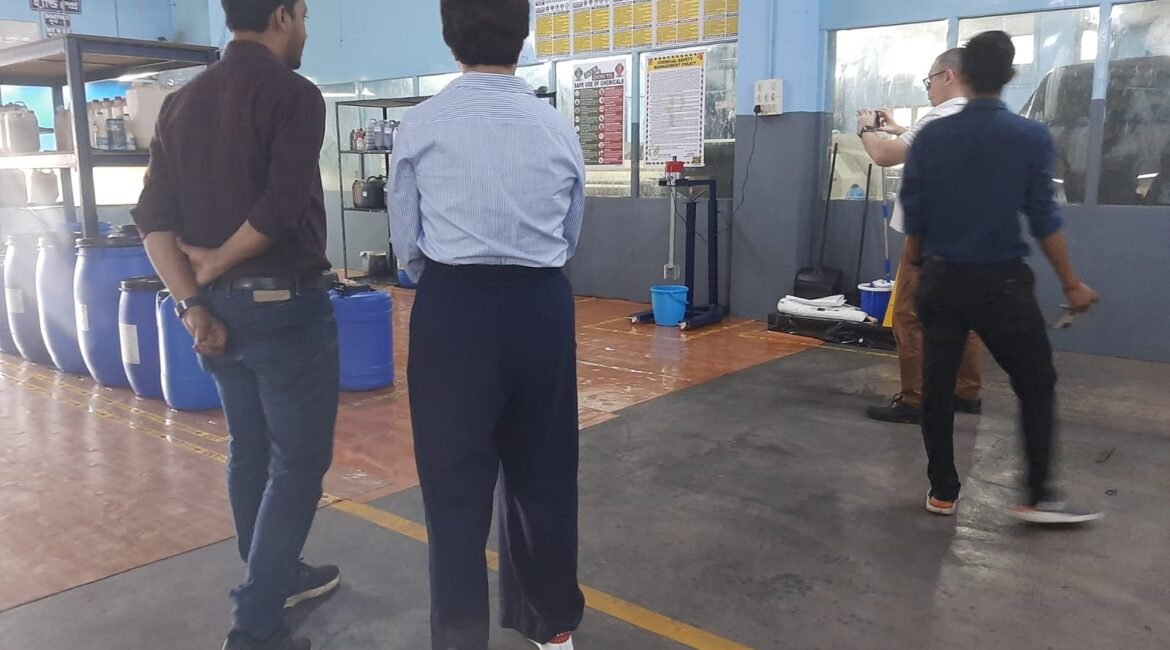
Sustainable leather is becoming a major focus in India as more people choose eco-friendly and ethically made products. Leather lovers, fashion brands, and global markets are asking for products that are kind to the environment and responsibly made. This shift is changing how leather is produced, processed, and sold.
In this detailed guide, let’s explore the practices, challenges, and future of sustainable leather in India — and why it matters for everyone who loves leather goods.
1. What Makes Leather Sustainable
Sustainable leather focuses on reducing the environmental and social impact of leather production. Here are some practices shaping this transformation:
Vegetable Tanning
Instead of using harmful chemicals like chromium, some tanneries use natural tannins from plants, bark, and fruits. This method is safer for the environment and creates leather that is biodegradable and long-lasting.
Better Water Management
Many Indian tanneries are adopting water treatment and recycling systems. This reduces water waste, lowers pollution, and helps preserve local water sources.
Energy Efficiency
Some producers are shifting to renewable energy sources like solar power. This lowers their carbon footprint and makes the entire leather-making process greener.
Waste Reduction
Leather scraps are no longer simply thrown away. They are being turned into leatherboard and other useful products, ensuring nothing goes to waste.
2. Challenges in the Leather Industry
While sustainable leather is gaining momentum, several challenges slow down its growth:
- High Water Usage: Traditional leather production uses a lot of water, and even with improvements, some tanneries still pollute rivers.
- Regulation Compliance: Many tanneries are small and scattered across India, making it hard to ensure every unit follows strict environmental rules.
- Consumer Awareness: Many Indian buyers still look for low prices and are not yet fully aware of the benefits of sustainable leather products.
Overcoming these challenges will take time, education, and investment in cleaner technology.
3. Key Players Driving Change
India’s leather sector has some strong leaders working towards sustainability:
- Certified Tanneries: Many tanneries are now certified by groups like the Leather Working Group (LWG), which sets global standards for responsible production.
- Industry Associations: Groups like the Council for Leather Exports (CLE) are helping tanneries adopt better environmental practices.
- Brand Collaborations: Indian manufacturers are working with global luxury brands to improve supply chain transparency and promote eco-friendly leather.
These efforts are not only improving quality but also making Indian leather more competitive in international markets.
4. Market Trends for Sustainable Leather
The demand for sustainable leather products is growing worldwide. Here’s what we are seeing:
- Eco-Friendly Fashion: Bags, shoes, wallets, and accessories made from sustainable leather are getting popular among urban consumers.
- Export Opportunities: Europe and North America are key markets where buyers prefer eco-friendly products. Indian exporters who adopt sustainable methods will have an advantage.
- Luxury Appeal: Consumers are ready to pay more for products that are ethically produced and environmentally safe, giving brands a chance to offer premium collections.
5. The Future of Sustainable Leather in India
The future looks exciting for India’s leather industry, with several new trends shaping the path forward:
Technological Innovations
Lab-grown leather and plant-based materials like mushroom and pineapple leather are becoming popular. These alternatives reduce the need for animal hides and cut down on environmental impact.
Improved Tanning Processes
Eco-friendly tanning methods are expected to completely replace harmful chemicals in the future, making leather safer for workers and the planet.
Circular Economy Models
Brands are designing products that last longer, can be repaired, and even recycled. This helps reduce waste and encourages responsible consumption.
Global Collaborations
Partnerships with international brands will bring new technology, skills, and higher standards to Indian leather producers.
Better Labor Conditions
Sustainability also means fair wages and safe working conditions for tannery workers. The focus is shifting towards a socially responsible leather industry.
6. Pros and Cons of Sustainable Leather
Like any innovation, sustainable leather has benefits and challenges.
Pros:
- Reduces carbon footprint and water usage
- Often uses natural tanning methods
- Promotes fair labor practices
- Durable and long-lasting products
Cons:
- It can be more expensive than regular leather
- Limited availability in some regions
- Plant-based leathers may not always match the durability of traditional leather
With continued innovation, these challenges will become smaller, making sustainable leather more accessible for everyone.
Final Thoughts: Crafted with Care by Pious Leather Kolkata
Choosing the right leather product is more than just a fashion choice — it is a commitment to quality and responsibility. Sustainable leather allows you to enjoy timeless style while supporting eco-friendly and ethical production.
At Pious Leather Kolkata, we combine traditional craftsmanship with modern sustainable practices. Whether you need corporate gifts, travel accessories, or stylish handbags, we can design and produce leather goods that reflect your values.
Our team has the expertise and resources to deliver premium leather products in bulk or small quantities, carrying your exclusive brand identity. Whether you are looking for a budget-friendly solution or a luxury collection, we can create a tailored offering that matches your needs.