
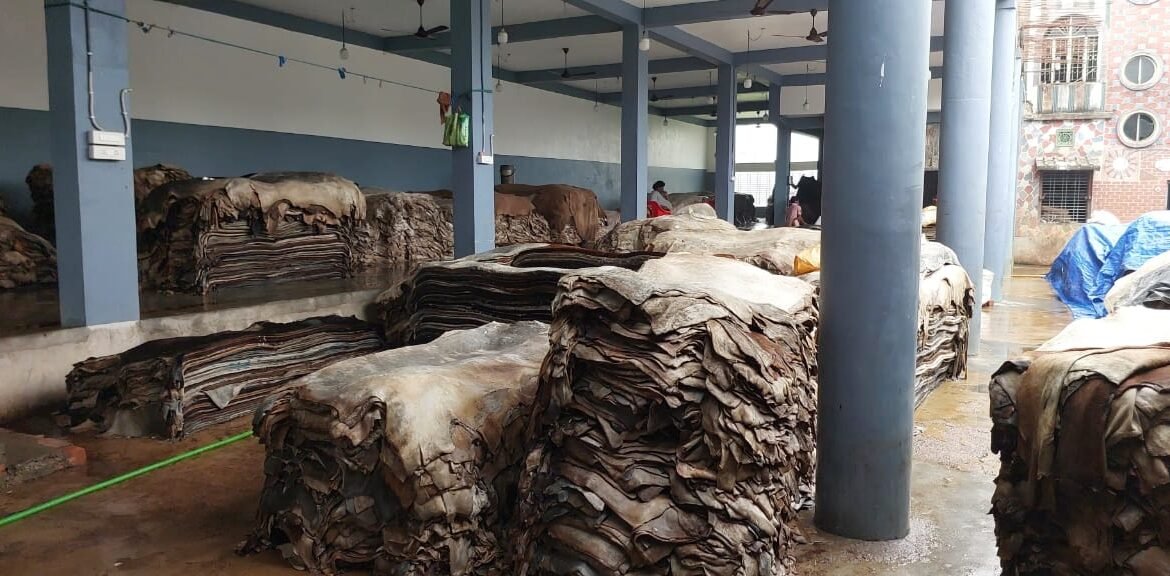
Leather is one of the most timeless and versatile materials in the world. From jackets and shoes to bags and upholstery, leather continues to hold its place in fashion and design. But have you ever wondered where this beautiful material begins its journey? It all starts with raw leather — the foundation of every leather product you see around you.
In this article, we’ll explore the origins of raw leather, the process it goes through to become the fine material we use, and why sustainable leather is shaping the future of the industry. Whether you are a leather enthusiast, a business sourcing premium leather products, or simply someone who values quality and craftsmanship, this guide will help you understand leather like never before.
1. Understanding Raw Leather
Raw leather is the very first stage of leather production. It is obtained from the hides and skins of animals such as cattle, sheep, goats, and pigs. These hides are considered valuable byproducts of the meat, dairy, and wool industries. Rather than going to waste, they are processed to create leather that is durable, flexible, and beautiful.
Cattle hides are the most common source of raw leather, thanks to their large size and strength. Sheep and goat skins are known for their softness and fine grain, making them ideal for garments and luxury accessories. Pigskins, with their natural grain pattern, are often used for gloves and wallets. Exotic hides, such as crocodile or ostrich skins, are rare and are sourced under strict ethical and sustainable practices to ensure species protection.
2. The Leather Production Process
Turning raw leather into a finished, high-quality product involves several carefully monitored steps. Each stage is essential for ensuring the leather’s strength, appearance, and longevity.
Pre-treatment: Preparing the Hide
Once the raw material is collected, it undergoes pre-treatment. This includes soaking, de-hairing, and fleshing to clean and prepare the hides. This step ensures the leather is soft, workable, and free from impurities.
Tanning: Giving Leather Its Strength
Tanning is what transforms raw hides into leather that won’t decompose. There are three main tanning processes:
- Vegetable Tanning – Uses natural tannins from plants to produce leather that ages beautifully over time.
- Chrome Tanning – A faster process that creates soft, water-resistant leather perfect for bags and shoes.
- Synthetic Tanning – Uses specialized chemicals to produce leather with unique properties, such as extra water resistance or flexibility.
Finishing: Perfecting the Look
After tanning, the leather is dyed, embossed, or coated to enhance its look and performance. This is where leather gets its final color, texture, and protective finish — ready to be turned into fashion, footwear, or furniture.
3. The Importance of Sustainable Leather
Today’s leather buyers are not just looking for quality — they want sustainable leather that is ethically sourced and produced. The leather industry is taking big steps to ensure that production is safe for the environment and supports local communities.
Ethical Animal Sourcing
Sustainable leather starts with responsible animal husbandry. Farmers and suppliers follow guidelines to ensure animal welfare, proper nutrition, and humane treatment.
Eco-Friendly Processes
Modern tanneries are reducing water usage, recycling chemicals, and switching to eco-friendly tanning agents. This helps protect rivers, soil, and ecosystems.
Waste Reduction and Upcycling
Scraps and offcuts from raw leather production are now used to make small leather goods, keychains, and even compost or biofuel. This minimizes waste and makes the industry more sustainable.
Traceability and Transparency
Thanks to technology like blockchain, customers can now trace where their leather came from. This ensures that the sustainable leather they buy is from verified and ethical sources.
4. Future Trends in Leather
The leather industry is evolving rapidly, and sustainable leather is at the center of these changes. Some of the most exciting trends include:
- Plant-Based Leather – Made from pineapple leaves, mushrooms, or apple peels for a cruelty-free option.
- Biofabricated Leather – Created in labs from animal cells, eliminating the need for traditional farming.
- Eco-Friendly Tanning – Using water-based and plant-based tanning methods to reduce pollution.
- Digital Innovation – Using technology to improve traceability and ensure the entire supply chain is transparent.
5. Pious Leather Kolkata – Your Trusted Partner for Raw Leather
When it comes to sourcing high-quality raw leather, Pious Leather Kolkata stands out as one of the most reliable suppliers. The company provides premium raw leather at the best price, with a smooth transportation system and exceptional customer support.
Whether you need sustainable leather for fashion products, upholstery, or corporate gifting, Pious Leather Kolkata has the resources and capacity to deliver exactly what you need. Their focus on quality, ethical sourcing, and sustainability makes them a trusted partner for businesses around the world.
Final Thoughts: Crafted with Care by Pious Leather Kolkata
Choosing the right leather product is more than just a fashion statement — it’s about embracing quality, responsibility, and sustainability. Sustainable leather is the future, and businesses that adopt it are not only helping the planet but also offering their customers premium, ethically made goods.
Whether you are traveling, planning your honeymoon, or sourcing leather goods for your business, leather remains a timeless, eco-conscious solution. Pious Leather Kolkata has the expertise and facilities to craft stunning leather products and corporate gifts in bulk or small batches — carrying your exclusive brand identity.
If you’re looking for a tailored solution that matches your budget and market, it’s time to partner with Pious Leather Kolkata. Place your order today and experience the perfect balance of craftsmanship, sustainability, and value.