
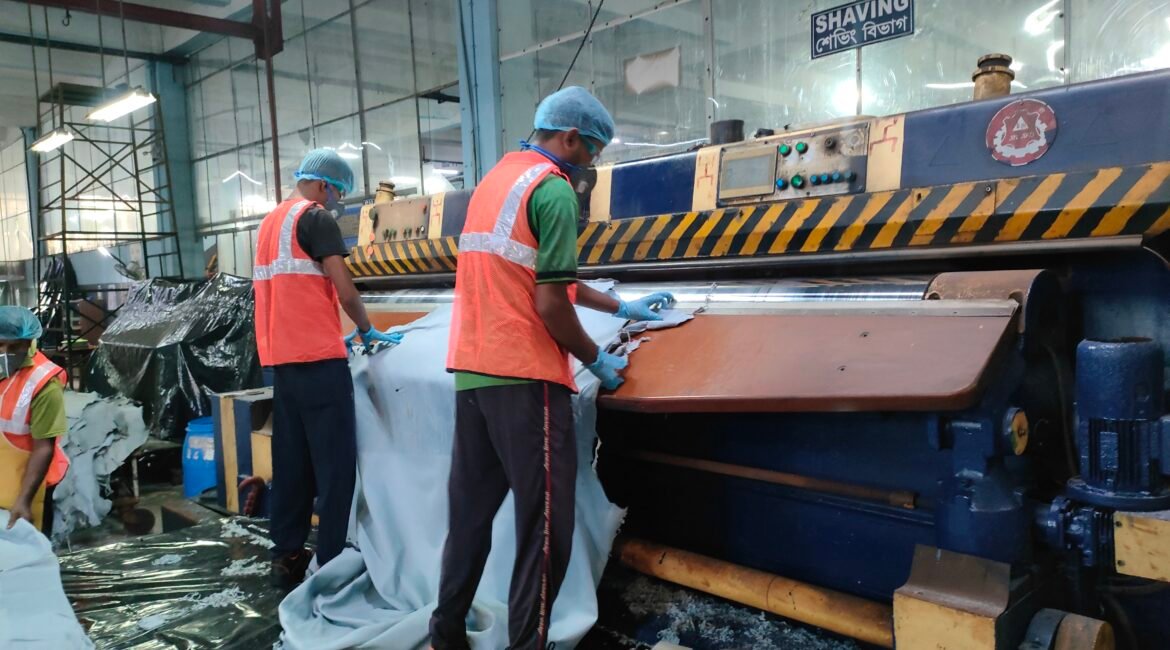
Leather is one of the most timeless and versatile materials in the world. From luxury bags and wallets to furniture and car interiors, leather products have a strong connection to craftsmanship, durability, and style. But behind every piece of fine leather lies a detailed journey known as leather processing.
This process is lengthy, technical, and requires years of expertise. It transforms raw hides into high-quality leather that is soft, durable, and beautiful. For buyers and lovers of leather products, understanding how leather is made helps in appreciating the true value of every finished item.
In this guide, we’ll walk through the stages of leather processing, explore the challenges that tanneries face, and introduce modern solutions that make the process more efficient and sustainable.
The Different Stages of Leather Processing
Leather processing involves several carefully planned steps, each of which has a direct impact on the quality, durability, and appearance of the final leather product. Let’s take a closer look:
1. Riviera – Preparing the Hides
The first stage, known as Riviera, includes the preliminary treatments of raw hides to prepare them for tanning. These operations are both chemical and mechanical.
- Chemical treatments: preservation, greening, liming, and depilation (hair removal).
- Mechanical treatments: fleshing and lime splitting to remove unnecessary parts.
This preparation stage is crucial because it sets the foundation for the tanning phase. Without proper Riviera treatments, the hides may not absorb tanning agents effectively, leading to weaker leather.
2. Tanning – The Core of Leather Processing
Tanning is the heart of leather processing. It’s the step that turns raw hides into a non-perishable, workable material. Several methods are used, depending on the desired end product:
- Chrome tanning: Quick, cost-effective, and commonly used for everyday leather goods.
- Vegetable tanning: Natural, eco-friendly, and perfect for premium products with unique character.
- Other tanning methods: Using synthetic or alternative agents for specific needs.
Alongside tanning, there are other key steps like soaking, liming, degreasing, and pickling. Mechanical operations such as sammying, splitting, and shaving ensure consistency in thickness and texture.
3. Retanning, Dyeing, and Fatliquoring
Once the hides are tanned, they move to the retanning stage. This phase adds specific tactile properties depending on the final product—whether it’s for handbags, shoes, furniture, or automotive leather.
- Retanning gives firmness and strength.
- Dyeing ensures vibrant, long-lasting colors.
- Fatliquoring adds softness, flexibility, and water resistance.
Together, these treatments create leather that is ready for its intended use, balancing strength with beauty.
4. Finishing – Adding the Final Touch
The finishing stage focuses on aesthetics and functionality. This is where leather gets its final look and performance upgrades.
- Mechanical processes: staking, milling, buffing, and ironing.
- Chemical applications: spray painting, padding, and roller coating.
Finishing can give leather waterproof properties, enhance durability, and add luxurious colors and textures. This stage ensures the leather meets consumer expectations in both style and performance.
5. Final Processes – Preparing for the Market
The last stage of leather processing involves quality checks and preparation for sale. Tanneries inspect, grade, trim, measure, and pack the leather. Each hide is carefully reviewed to make sure it meets international quality standards before reaching designers, manufacturers, and end users.
Challenges in Leather Processing
Even though leather processing has been refined over generations, tanneries face several modern challenges:
- Consistency and Quality – Raw hides vary in texture and thickness, making uniform results difficult.
- Cost Optimization – Tanneries must manage production times and minimize waste without compromising quality.
- Sustainability – Treating wastewater and replacing harmful chemicals with eco-friendly alternatives is a global priority.
- Skilled Workforce – Leather processing requires trained experts who understand both traditional and modern techniques.
- Technological Innovation – To stay competitive, tanneries must adopt automation and digital solutions for real-time monitoring and efficiency.
These challenges demand continuous adaptation and investment from leather manufacturers worldwide.
The Growing Demands of the Leather Market
The global leather industry is becoming more competitive every year. Brands and consumers now expect much more than just quality. Tanneries must adapt to:
- International Competition – Competing with global suppliers requires embracing automation and digitization.
- Traceability and Ethics – Customers want to know the full journey of their leather products, from animal source to finished good.
- Eco-Friendly Standards – Companies must invest in purification systems and sustainable practices.
- Flexibility in Production – Modern consumers want unique, eco-conscious, and stylish leather goods.
- Regulatory Compliance – Tanneries must follow strict environmental, health, and safety laws, adding operational costs.
For leather product users, this means the leather goods they purchase today often come with higher sustainability standards and ethical assurance than ever before.
Advanced Solutions for Leather Processing Efficiency
To meet these challenges, technology-driven solutions are transforming leather processing. Companies like Pious Leather Kolkata integrate automation and advanced data systems that monitor each stage of production in real time.
- Automation systems provide clear performance indicators.
- Data analysis helps identify problems early and reduce waste.
- Real-time monitoring ensures consistent quality across batches.
- Sustainability focus reduces environmental impact while maintaining efficiency.
By combining traditional expertise with modern technology, leather manufacturers can deliver better, more reliable results for customers while keeping processes eco-friendly and cost-efficient.
Why Leather Processing Matters to Leather Product Users
For end consumers, the effort behind leather processing translates directly into the durability, comfort, and beauty of leather goods. Every time you pick up a handcrafted wallet, wear a leather jacket, or relax on a leather sofa, you are experiencing the results of a centuries-old craft improved with modern innovations.
This process ensures:
- Longer-lasting leather goods.
- Unique textures and natural character.
- Stylish and functional finishes.
- Environmentally responsible production.
Understanding these stages helps leather lovers value their products even more, knowing the dedication and craftsmanship behind them.
Final Thoughts: Crafted with Care by Pious Leather Kolkata
Choosing the right leather wallet or accessory is more than a fashion choice—it’s about embracing quality, sustainability, and craftsmanship. Whether you’re traveling the world, planning the perfect honeymoon, or sourcing premium leather goods for your business, leather remains a timeless and eco-conscious solution.
Pious Leather Kolkata has the expertise, resources, and capacity to craft stunning leather corporate gifts in both bulk and smaller quantities. Each product can carry your exclusive brand identity, making it a perfect gift for stakeholders and partners.
Whether you’re looking for a budget-friendly solution or a luxurious leather range, Pious Leather Kolkata can provide tailored options to match your needs and target market.
Place an order today and experience the artistry, durability, and eco-conscious commitment that define genuine leather craftsmanship.