Leather is one of the most durable and versatile materials in the world. From handbags and wallets to shoes and jackets, leather products are admired for their beauty, strength, and timeless appeal. But have you ever wondered how to make? Understanding the process helps you appreciate the skill and craftsmanship behind every product. In this article, we’ll explain how to make in 20 steps, highlight the importance of good quality leather, and give you insight into why naturally tanned leather is preferred.
1. Selecting the Raw Hides
The first step in leather how to make begins with choosing the raw hides or skins. High-quality hides are essential for producing good quality leather. Hides are sourced from cows, goats, buffaloes, or sheep, and must be clean, fresh, and free from defects.
The selection process ensures that the leather will be strong, smooth, and durable. Only the best raw hides go into premium leather products like wallets, belts, and bags.
2. Cleaning and Soaking
Once the raw hides are selected, they are soaked in water to clean off dirt, blood, and salt. This step softens the hides and prepares them for further processing. In leather how to make, proper soaking ensures that the hides absorb tanning solutions evenly, which is key for good quality leather.
Soaking can take several hours or even a full day, depending on the thickness and type of hide.
3. Liming
In this step, hides are treated with lime and other chemicals to remove hair, fats, and proteins. Liming helps make the leather more flexible and smooth. This step is crucial in leather how to make because it directly affects the texture and durability of good quality leather.
After liming, the hides are washed thoroughly to remove residual chemicals.
4. Fleshing
Fleshing removes excess fat and meat left on the hide. This step ensures that the leather will be even in thickness and consistent in texture. Skipping proper fleshing can lead to uneven or weak leather, which is why good quality leather requires careful attention during this stage.
5. Splitting and Shaving
Thicker hides are split into layers to create uniform thickness. Shaving smooths the surface of the leather and prepares it for tanning. In leather how to make, this step ensures that each piece of leather is consistent and ready for finishing.
6. Pickling
Pickling involves soaking the hides in an acidic solution to stabilize them and make them ready for tanning. This step ensures that the leather will absorb the tanning agents evenly, which is essential for producing good quality leather with a smooth texture and long life.
7. Tanning – The Core of Leather Making
Tanning transforms raw hides into durable leather. There are two main methods: chrome tanning and vegetable tanning. For good quality leather, vegetable tanning is preferred because it is natural, chemical-free, and produces leather that ages beautifully.
Tanning locks the fibers, making the leather flexible, strong, and resistant to decay. This is the step that truly defines how leather to made into a usable product.
8. Neutralizing
After tanning, the leather is neutralized to balance its pH. This step ensures that the leather is ready for further processing and won’t be damaged by future treatments. Proper neutralization is critical to maintaining the quality and softness of good quality leather.
9. Retanning
Retanning is the process of adding additional tanning agents to enhance the leather’s strength, texture, and color absorption. While this step is optional in some production methods, it is commonly used to improve good quality of leather for premium products. Retanning ensures that the leather becomes more resilient, develops a smoother surface, and can better take dyes, finishes, or embossing. This step plays a crucial role in defining the final durability and luxurious feel of the leather.
10. Dyeing
Dyeing gives the leather its rich, appealing color. In leather how to make, dyeing can be carried out using either natural or synthetic dyes, depending on the desired look. Vegetable-tanned leather, in particular, absorbs color deeply, resulting in richer, more durable shades that last for years. Good quality leather maintains its color without fading, cracking, or peeling, ensuring that every leather product looks vibrant and premium for a long time.
11. Fatliquoring
Fatliquoring involves adding oils and fats to the leather to make it soft, supple, and water-resistant. Without this step, leather can become stiff, brittle, and prone to cracking. Good quality leather always undergoes precise fatliquoring to enhance comfort, flexibility, and longevity. This process ensures that leather products not only feel luxurious but also withstand daily use, maintaining their shape and texture over time.
12. Setting Out
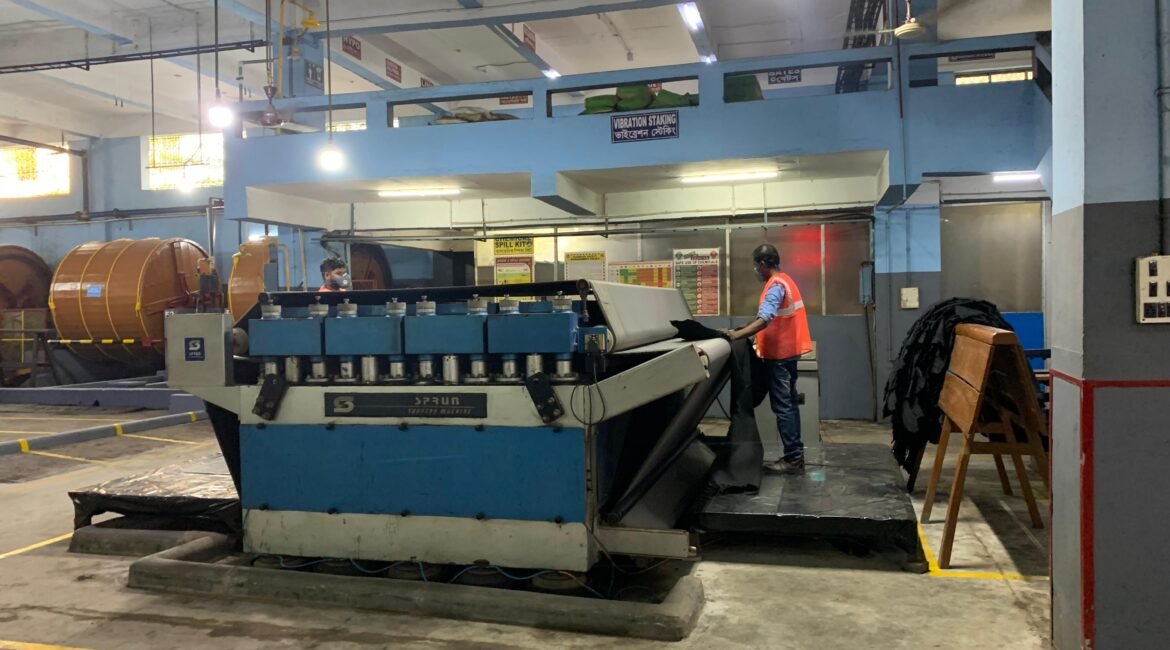
During the setting out process, excess water is removed, and the leather is carefully smoothed to create an even surface. This stage is crucial in leather how to make because it prepares the leather for controlled drying and finishing. Proper handling during setting out prevents wrinkles, uneven surfaces, and imperfections, which are vital factors in producing premium good quality leather products.
13. Drying
Drying transforms wet, processed leather into a solid, workable material. Several drying techniques can be used, including air drying, vacuum drying, or toggling. Controlled drying ensures that the leather retains its softness, flexibility, and natural texture. This step is essential for good quality leather, as improper drying can lead to shrinkage, stiffness, or cracking, reducing the durability of the final product.
14. Conditioning
Conditioning involves applying oils, waxes, or specialized leather conditioners to maintain the leather’s flexibility and prevent cracking. This step is critical for good quality leather because it preserves the softness, suppleness, and luxurious feel of the material. Properly conditioned leather continues to look and feel premium even after years of use.
15. Buffing and Polishing
Buffing smooths the surface of the leather and removes minor imperfections. Polishing adds shine and prepares the leather for the final finishing stage. This step enhances the visual appeal of the leather and is a key part of leather how to make for high-end products. Well-buffed and polished good quality leather has a clean, elegant surface that reflects its premium craftsmanship.
16. Finishing
Finishing applies protective coatings that improve durability, water resistance, and appearance. Different finishes are applied depending on the intended product: matte finishes for wallets, glossy finishes for handbags, and soft finishes for jackets or belts. Good quality leather retains its natural texture while receiving a finish that enhances its beauty and longevity. Finishing also makes the leather easier to maintain and more resistant to wear over time.
17. Stamping and Embossing
For decoration, branding, or texture, leather can be stamped or embossed. Logos, patterns, or textures are added to give each product a unique identity. High-quality leather handles stamping and embossing exceptionally well without weakening the material. Products made from good quality leather retain their strength, flexibility, and luxurious feel even after detailed embossing.
18. Cutting and Shaping
Leather is carefully cut into required shapes for products like wallets, belts, bags, or shoes. Precision cutting ensures that every piece is uniform, which is an important indicator of good quality leather craftsmanship. Accurate cutting also reduces material wastage and ensures that final products assemble perfectly with minimal adjustments.
19. Stitching and Assembly
Skilled artisans stitch and assemble the cut leather pieces into finished products. In leather how to make, stitching is one of the most critical steps to ensure durability, strength, and visual appeal. Products crafted from good quality leather feature precise, strong stitching that enhances both longevity and aesthetic beauty. The care and attention during assembly reflect the overall craftsmanship and quality of the leather product.
20. Quality Check and Packaging
Every leather product undergoes a thorough quality inspection to ensure it meets high standards of durability, appearance, and comfort. Only the finest good quality leather items pass the inspection. Once approved, products are carefully packaged to preserve their condition and protect them during transport. Proper quality control and packaging are vital in maintaining the premium nature of leather goods until they reach the customer.
Why Understanding Leather How to Make Matters
Understanding leather how to make helps you appreciate the time, skill, and materials invested in every product. Choosing good quality leather ensures durability, elegance, and sustainability. Premium leather items are more than accessories — they are investments in craftsmanship, style, and long-lasting value.
Final Thoughts: Crafted with Care by Pious Leather Kolkata
Choosing the right leather wallet, bag, or accessory is more than a fashion statement — it is about investing in good quality leather, sustainability, and timeless craftsmanship. Whether you are traveling the world, planning a honeymoon, or sourcing leather goods for corporate or personal use, leather offers an eco-conscious, durable, and stylish solution.
Pious Leather Kolkata combines expert artisanship, advanced resources, and years of experience to create exceptional leather products. From fully customized corporate gifts to individually crafted items, every product carries your brand identity while reflecting elegance, style, and premium craftsmanship. Their wide range of offerings includes both budget-friendly and high-end collections, ensuring there is a solution for every requirement. Every leather product is meticulously designed, carefully finished, and packaged with attention to detail, guaranteeing longevity, comfort, and lasting beauty.
By choosing Pious Leather Kolkata, you experience the perfect blend of tradition, quality, and innovation. Place your order today and enjoy the unmatched durability, elegance, and luxury of good quality leather — responsibly crafted, eco-conscious, and designed to last for generations.