Buying leather is not something you should do in a hurry. Quality leather products last for years, but only if you choose the right type. One of the biggest factors that decides the durability and look of leather is its leather finish.
Different finishes give leather unique colors, textures, and levels of protection. As a buyer, understanding these finishing techniques helps you pick the right product for your needs—whether it’s a wallet, bag, shoe, or jacket.
Let’s explore what leather finishing means, why it’s important, and the different types of leather finish you’ll commonly find.
What is Leather Finishing?
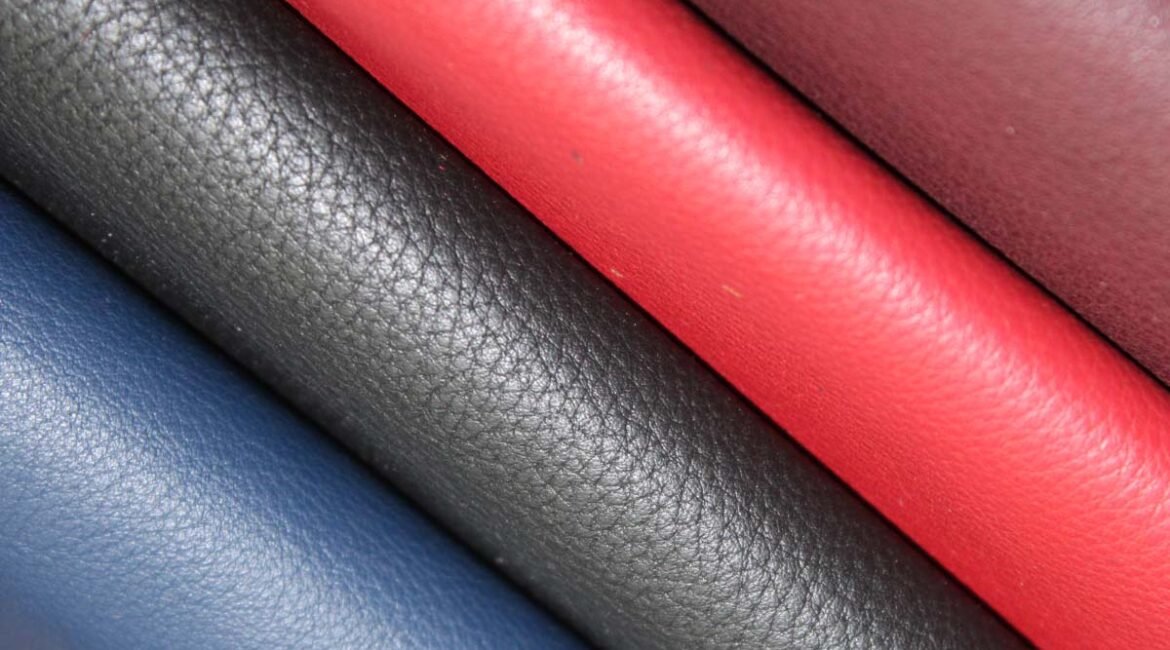
Leather finishing is the process that defines how the leather will look and feel. Using dyes, oils, chemicals, and protective coatings, the finish gives leather its color, shine, and texture.
The finishing process is also important for strength. It adds a protective layer to the surface, keeping leather safe from scratches, stains, water damage, and even changes in temperature or humidity.
Why is Leather Finish Important?
The role of leather finish is not just cosmetic—it’s practical too. The type of finishing chosen impacts where and how the leather can be used. For example:
- A shiny patent finish is great for luxury shoes or handbags.
- An aniline finish highlights natural beauty but is not suitable for heavy use.
- Pigmented finishes add extra durability for everyday leather products.
In short, the finish decides how the leather will age, how easy it is to maintain, and how long it will last.
Different Types of Leather Finish
Every type of leather finish offers its own advantages and aesthetic appeal. Here are the most popular ones explained in detail.
1. Aniline Leather Finish
Aniline finishing uses transparent dyes that bring out the leather’s natural texture. It keeps the surface looking raw and authentic, showing all natural markings.
This finish is usually applied to full-grain leather, which is the highest quality grade. However, aniline leather lacks a protective coating, which makes it vulnerable to scratches, stains, and fading. It’s ideal for products where beauty and authenticity matter more than durability.
2. Semi-Aniline Finish
Semi-aniline is a more practical version of aniline. It uses the same dyes but adds a light protective top coat. The result is leather that still looks natural but is more resistant to wear and tear.
This type of leather finish is widely used in mass-produced goods and heavy-duty items like furniture, shoes, and handbags. It balances beauty and durability.
3. Pigmented Leather Finish
Pigmented finishing adds a heavy coating of pigments and protective layers on the leather surface. This makes the leather extremely durable, stain-resistant, and easy to maintain.
Because the thick layer hides imperfections, pigmented finishes are often applied to corrected-grain leather. They are perfect for products that undergo daily use, such as office chairs, car upholstery, and wallets.
4. Suede Leather
Suede has a soft, velvety feel and is made by buffing the underside of the hide. While suede is loved for its elegant texture, it is highly prone to stains and water damage.
Suede works best for fashion items like jackets, gloves, and shoes that require a stylish touch but aren’t meant for rough use.
5. Nubuck or Brushed Leather
Nubuck is created by buffing the grain side of the hide. This gives it a smooth, fine texture that looks more refined than suede.
While slightly more durable than suede, nubuck still requires extra care to avoid stains. Many buyers love nubuck for its classy appearance in shoes, bags, and jackets.
6. Nappa Leather
Nappa leather is soft, smooth, and luxurious. It’s thinner compared to other types, making it perfect for premium wallets, gloves, and fashion accessories. Its natural elegance makes it highly popular among leather lovers.
7. Oil, Leather or Pull-Up Leather
In this finish, oils or waxes are applied to leather, making it flexible, durable, and water-resistant. The unique feature of pull-up leather is its ability to change shades when stretched or bent, giving it a rustic charm.
This type of leather finish is commonly used for boots, bags, and rugged outdoor gear.
8. Neatsfoot Oil Finish
Neatsfoot oil, made from bovine feet and shins, is used to restore softness and preserve leather. While effective, it can leave a sticky residue, so buffing the surface after application is essential.
9. Embossed Leather
Embossing involves pressing patterns or textures into leather using heat or pressure. It can make regular cowhide look like exotic crocodile or snake leather.
After embossing, the leather is treated with oils or dyes for protection. Embossed finishes are popular in fashion products where decorative design is the main appeal.
10. Dry Milled Leather
Dry milling involves tumbling leather in heated drums, creating a pebbled texture and a softer feel. It gives leather a relaxed, lived-in appearance, often used in handbags and jackets.
11. Antiqued Grain (Two-Tone Leather)
Antique finishing gives leather an aged, patina-like look. Through sandblasting and dyeing, the leather gets a two-tone effect that mimics natural aging. This type of leather finish is often used in vintage-style products.
12. Patent Leather
Patent finish gives leather a high-gloss, shiny surface using resins or acrylics. This glossy appearance makes patent leather a favorite for luxury shoes, handbags, and accessories.
13. Burnished Leather
Burnishing is a finishing technique used on leather edges. By rubbing wax or gum with a burnishing tool, the fibers are sealed, and the edges appear smooth and polished. It adds durability and enhances the overall look of the product.
14. Bicast Leather
Bicast leather is created by coating split leather with a layer of polyurethane. This makes it stronger and shinier but less natural in appearance.
It’s mostly used for furniture and shoes. Since it contains synthetic elements, special care products are needed to maintain it.
15. Embroidered Leather
Leather embroidery adds decorative designs using threadwork. It can be done by hand or machine, depending on the detail required. From initials to elaborate patterns, embroidered finishes give leather products a unique, personalized appeal.
Choosing the Right Leather Finish
Selecting the right finish depends on how you plan to use the leather. If you want something natural and luxurious, aniline or nubuck may suit you. For heavy use, pigmented or pull-up leather is a smarter choice.
Always remember—every leather finish has its own balance of style, durability, and care requirements.
Final Thoughts: Crafted with Care by Pious Leather Kolkata
Choosing the right leather wallet or accessory is more than just a fashion decision—it’s about quality, sustainability, and craftsmanship. A good leather finish ensures that your product not only looks great but also lasts for years.
At Pious Leather Kolkata, we combine tradition with modern techniques to create high-quality, sustainable leather products. Whether you’re sourcing corporate gifts, stylish wallets, or travel-friendly accessories, our team delivers products that reflect elegance and durability.
From budget-friendly solutions to premium collections, Pious Leather Kolkata can customize leather goods to match your brand identity and target market.