
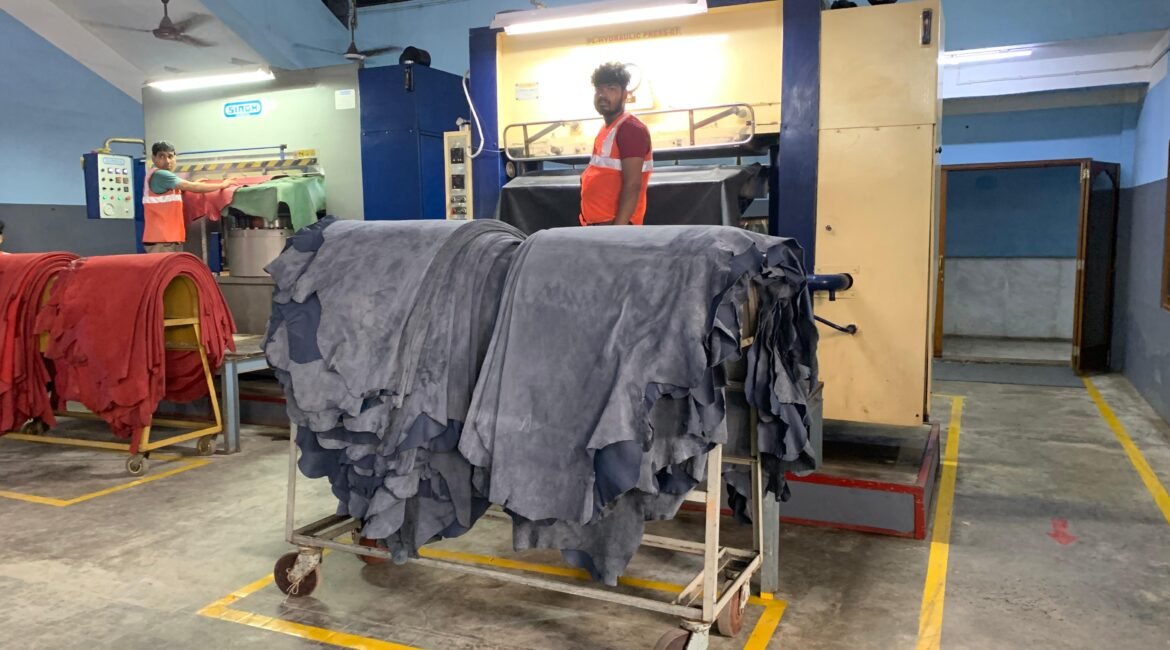
Tanned leather has always been admired for its timeless beauty and durability. From elegant handbags to classic furniture, it carries a sense of tradition and craftsmanship that few materials can match. Yet, like all natural products, it requires care to preserve its charm. This guide will walk you through cleaning, conditioning, and long‑term protection so your tanned leather items remain stunning for years.
Pious Leather invites you to explore the world of exquisite leather creations, where tradition meets innovation, and craftsmanship stands the test of time. When you understand how to care for tanned leather, you honor both the artistry and the material itself.
What Makes Tanned Leather Special
Tanned leather is created through a process that stabilizes the hide and enhances its strength. Vegetable tanning and chrome tanning are the most common methods, each giving leather unique qualities. Vegetable tanning produces rich earthy tones and a natural patina over time. Chrome tanning results in softer textures and vibrant colors.
Unlike synthetic materials, tanned leather breathes. It adapts to temperature, develops character with age, and tells a story through every crease. This living quality is what makes it so desirable. However, it also means that it reacts to moisture, sunlight, and improper storage. Knowing these qualities is the first step in proper care.
Daily Habits for Tanned Leather Care
The secret to long‑lasting tanned leather lies in small daily habits. Think of it as nurturing a relationship with something valuable.
- Wipe regularly: Dust and dirt can settle into the grain. A soft cloth wipe once a week prevents buildup.
- Avoid excess moisture: Leather absorbs water, which can cause stains or stiffness. If it gets wet, let it air dry naturally.
- Store with care: Use breathable fabric bags for accessories and avoid plastic covers. For furniture, keep it away from direct sunlight.
- Rotate usage: If you own multiple leather items, rotate them. This prevents overuse and allows each piece to rest.
These habits may seem simple, but they build a foundation of respect for the material. Tanned leather responds well to consistent attention.
Cleaning Guide for Tanned Leather
Cleaning tanned leather requires patience and the right approach. Harsh chemicals or quick fixes can damage the surface. Here is a step by step guide:
Step 1: Dust Removal
Use a dry microfiber cloth to gently wipe the surface. This removes loose dirt without scratching the grain.
Step 2: Spot Cleaning
For small stains, dampen a cloth with lukewarm water. Gently dab the area. Never rub aggressively, as this can spread the stain.
Step 3: Leather Cleaner
Choose a cleaner specifically designed for tanned leather. Apply a small amount to a cloth and work it in circular motions. Test on a hidden area first to ensure compatibility.
Step 4: Conditioning
After cleaning, apply a leather conditioner. This restores natural oils and keeps the leather supple. Conditioning should be done every few months depending on usage.
Step 5: Drying
Always let leather dry naturally. Avoid hair dryers or heaters, as they can crack the surface.
This process not only cleans but also rejuvenates tanned leather, keeping it soft and radiant.
Conditioning and Protecting Tanned Leather
Conditioning is the heart of leather care. Tanned leather, being natural, can lose moisture faster if neglected. A good conditioner penetrates the fibers, preventing cracks and maintaining flexibility.
- Choose wisely: Look for conditioners with natural oils. Avoid petroleum‑based products that can clog pores.
- Apply evenly: Use a soft cloth and spread the conditioner in thin layers.
- Buff gently: After absorption, buff with a dry cloth to restore shine.
Protection also means being mindful of the environment. Keep leather away from prolonged sunlight, which fades the colour. Avoid extreme humidity, which can cause mold. With proper conditioning and protection, tanned leather becomes a lifelong companion.
Storing Tanned Leather the Right Way
Storage is often overlooked, yet it plays a crucial role in preserving tanned leather.
- For bags and shoes: Stuff them with acid‑free paper to maintain shape.
- For jackets: Use padded hangers to prevent shoulder marks.
- For furniture: Regularly dust and cover with breathable fabric when not in use.
Never store leather in sealed plastic. It needs to breathe. Proper storage ensures that when you return to your item, it feels as fresh as the day you bought it.
Common Mistakes to Avoid in Leather Care
Even with the best intentions, mistakes happen. Avoid these pitfalls:
- Using household cleaners like vinegar or bleach. They strip natural oils.
- Over‑conditioning. Too much product can make leather sticky.
- Ignoring spills. Quick action prevents permanent stains.
- Storing in damp areas. Moisture leads to mold and unpleasant odors.
By steering clear of these mistakes, you protect the integrity of tanned leather and extend its life.
Why Tanned Leather Ages Beautifully
One of the most enchanting qualities of tanned leather is its ability to age gracefully. Over time, it develops a patina, a soft sheen that reflects its journey. Every mark and shade variation tells a story. Unlike synthetic materials that wear out, tanned leather grows richer with age.
This aging process is not a flaw but a feature. It is what makes leather heirloom‑worthy. With proper care, your tanned leather item becomes more personal and valuable as years pass.
Tanned Leather Care
Tanned leather is more than a material. It is a tradition, a craft, and a symbol of timeless style. Caring for it is not just about cleaning but about honoring its story. By adopting daily habits, following proper cleaning guides, conditioning regularly, and storing thoughtfully, you ensure that your tanned leather remains a source of pride.
Pious Leather celebrates this journey, inviting you to explore creations where tradition meets innovation. When you care for tanned leather, you are not only preserving beauty but also respecting craftsmanship that stands the test of time.